
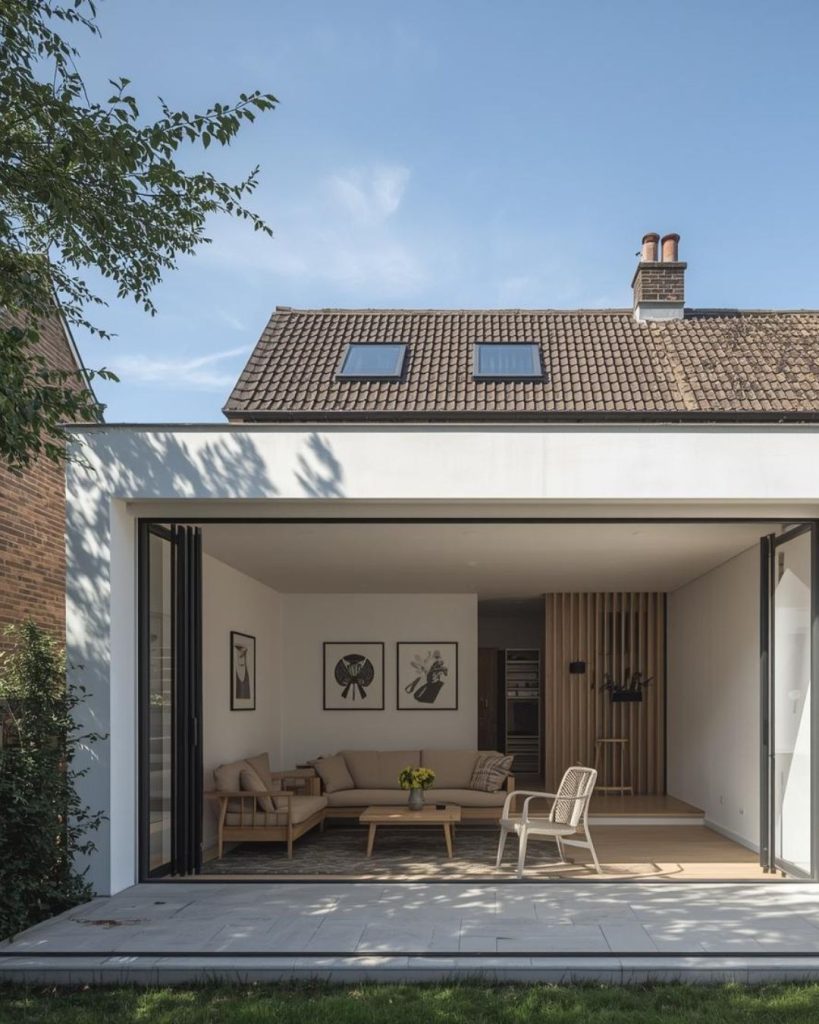
Smart Lighting for Your Home: A Gillingham Electrician’s Guide
Smart lighting has moved well beyond the novelty stage. What started as a gimmick — changing your bulbs to different colours from your phone — has evolved into a genuinely useful way to control how your home feels, save energy, and make daily routines more convenient. Whether you want lights that come on automatically when you walk through the front door, a system that dims the living room for movie night with a single voice command, or outdoor lights that switch on at sunset and off at sunrise without you thinking about it, smart lighting can do all of this and more.
But the range of products and systems available can be overwhelming. Smart bulbs, smart switches, hubs, no-hub systems, WiFi, Zigbee, Z-Wave — the jargon alone is enough to put people off. This guide cuts through the confusion and explains the practical options for homes across Gillingham, what each approach involves, and when you need an electrician to get involved.
What Is Smart Lighting?
At its simplest, smart lighting is any lighting you can control wirelessly — through a phone app, a voice assistant like Alexa or Google Home, a wall-mounted smart switch, or automated schedules and sensors. Beyond basic on and off, most smart lighting systems let you dim lights, set timers, create scenes that adjust multiple lights at once, and in some cases change the colour or warmth of the light.
The real value isn’t the novelty of controlling lights from your sofa. It’s the automation. Lights that turn themselves on gradually in the morning to wake you up naturally. Hallway lights that come on at low brightness when you get up in the night. Outdoor lights that respond to motion after dark but stay off during the day. Living room lights that dim automatically at a set time each evening. Once you set these routines up, they run in the background without you ever touching a switch.
Smart Bulbs: The Simplest Starting Point
The easiest way into smart lighting is replacing your existing bulbs with smart bulbs. Brands like Philips Hue, LIFX, Innr, and IKEA Dirigera offer bulbs that screw into your existing light fittings and connect to your home WiFi or a dedicated hub. You keep your existing light switches, wiring, and fittings — the intelligence is in the bulb itself.
Smart bulbs range from basic dimmable white bulbs costing around £10 to £15 each, through tuneable white bulbs that let you shift between warm and cool light for around £15 to £25, up to full colour bulbs at £25 to £50 that can produce millions of colours. For most rooms in a typical Gillingham home, dimmable or tuneable white bulbs are the practical choice. Full colour bulbs are fun in a games room or a child’s bedroom but rarely necessary in a kitchen or hallway.
The main advantage of smart bulbs is that anyone can install them. You literally unscrew the old bulb and screw in the new one. No electrician needed, no wiring changes, no disruption. The downside is that smart bulbs need constant power to work. If someone flicks the wall switch off out of habit, the bulb loses power and becomes unresponsive until the switch is turned back on. This is the single biggest frustration people encounter with smart bulbs, especially in households where not everyone has bought into the smart home concept. There are workarounds — switch guards that prevent the physical switch being turned off, or replacing the wall switch with a smart switch — but it’s worth being aware of before you invest in a houseful of smart bulbs.
The other consideration is cost. A single smart bulb is affordable, but if you want to convert every light in a three bedroom house, you’re looking at twenty to thirty bulbs which adds up quickly. For whole-house smart lighting, smart switches often work out more cost-effective.
Smart Light Switches: The More Permanent Solution
Smart light switches replace your existing wall switches and make every bulb on that circuit controllable through your phone, voice, or automation — regardless of whether the bulbs themselves are smart. You keep using standard LED bulbs, which are cheap and easy to replace, while the switch handles all the smart functionality.
This approach has several advantages. There’s no confusion about leaving switches on or off because the smart switch is the switch. Visitors and family members use it exactly as they would a normal light switch — press it and the light comes on. But behind the scenes, the switch is also connected to your WiFi and responds to app controls, voice commands, schedules, and automation.
Smart switches come in various configurations. Single and double gang switches replace your standard one or two gang plates. Dimmer versions allow smooth dimming of compatible LED bulbs. Some brands offer switches with built-in motion sensors or ambient light detection, which is particularly useful for hallways, landings, and utility areas.
The catch is that smart switches require a neutral wire at the switch position. In many Gillingham homes, particularly those built from the 1990s onwards, a neutral wire is present at the switch. In older properties — the Victorian and Edwardian terraces around the town centre and along Canterbury Street, or mid-century homes in Hempstead and Wigmore — the neutral wire often isn’t there. Without it, most smart switches won’t work. Some newer models from brands like Lutron Caseta and certain Aqara switches can operate without a neutral, but options are more limited.
This is where an electrician becomes essential. Installing a smart switch involves working with mains wiring, and if a neutral wire needs running to the switch position, that’s a job that must be done by a qualified professional. Even where the wiring is straightforward, replacing a light switch is notifiable electrical work under Part P of the Building Regulations if it involves a new circuit or a special location like a bathroom. A registered electrician can self-certify the work and ensure everything is safe and compliant.
Hubs, WiFi, and Protocols
Smart lighting products communicate using different wireless protocols, and understanding the basics helps you avoid buying products that don’t work together.
WiFi bulbs and switches connect directly to your home router. They’re simple to set up but each device uses a small amount of your WiFi bandwidth. In a house with thirty or forty smart devices all on WiFi, this can slow your network down or cause reliability issues, particularly if your router is an older model or your WiFi coverage is patchy.
Zigbee and Z-Wave are low-power wireless protocols designed specifically for smart home devices. They don’t use your WiFi bandwidth but they do require a hub — a small box that plugs into your router and acts as a bridge between the smart devices and your network. Philips Hue uses Zigbee, as does IKEA’s smart lighting range. The hub creates a separate mesh network where each device strengthens the signal, which makes larger installations more reliable than WiFi alone.
Matter is a newer universal standard that aims to make smart home devices from different manufacturers work together seamlessly. Many recent smart lighting products support Matter, and it’s increasingly the protocol to look for if you want flexibility to mix and match brands without compatibility headaches.
For a small setup — a few bulbs in one or two rooms — WiFi devices are perfectly adequate. For a whole-house installation across a typical Gillingham property, a hub-based system like Philips Hue or a Matter-compatible setup provides better reliability and a smoother experience.
Smart Outdoor Lighting
Smart lighting isn’t limited to the inside of your home. Outdoor smart lighting is increasingly popular and genuinely useful for security and convenience. Smart floodlights with built-in motion sensors can send alerts to your phone when they detect movement. Garden path lights can switch on at sunset and off at a set time. Driveway lights can activate automatically when you arrive home.
Outdoor smart lighting installation almost always requires an electrician. Running weatherproof cabling, installing IP-rated fittings, ensuring proper RCD protection for outdoor circuits, and connecting everything safely to your consumer unit is qualified work. If you’re considering smart outdoor lighting for your Gillingham property, whether that’s security lights at the front, garden lighting at the rear, or both, it’s a job worth doing properly from the start.
What Does a Full Smart Lighting Installation Cost?
Costs vary enormously depending on the approach and scale. A DIY setup with ten smart bulbs and a hub might cost £200 to £350 in products alone with no installation cost. A full smart switch installation across a three bedroom house, with an electrician fitting twelve to fifteen smart switches, is likely to cost between £800 and £1,500 including the switches themselves and labour. Adding outdoor smart lighting increases the budget depending on the number of fittings and the complexity of the cable routing.
The running cost of smart lighting is generally lower than conventional lighting because automation means lights are only on when they’re actually needed. Rooms that used to stay lit all evening because nobody bothered to turn them off now switch off automatically when empty. Schedules prevent lights running during daylight hours. Dimming reduces energy consumption proportionally. Over the course of a year, these savings add up, particularly in larger households.
Is Smart Lighting Worth It?
For most people, yes. The convenience of automated schedules, voice control, and not having to walk around the house turning lights off before bed is worth the investment alone. The energy savings are a genuine bonus rather than a marketing claim, and the security benefit of lights that respond to your presence and simulate occupancy when you’re away is practical and reassuring.
If you’re thinking about smart lighting for your Gillingham home, whether that’s a few bulbs in key rooms or a full-house smart switch installation, get in touch. We’ll advise on the best approach for your property, handle the electrical work safely and to current regulations, and make sure your new system works exactly the way you want it to.